
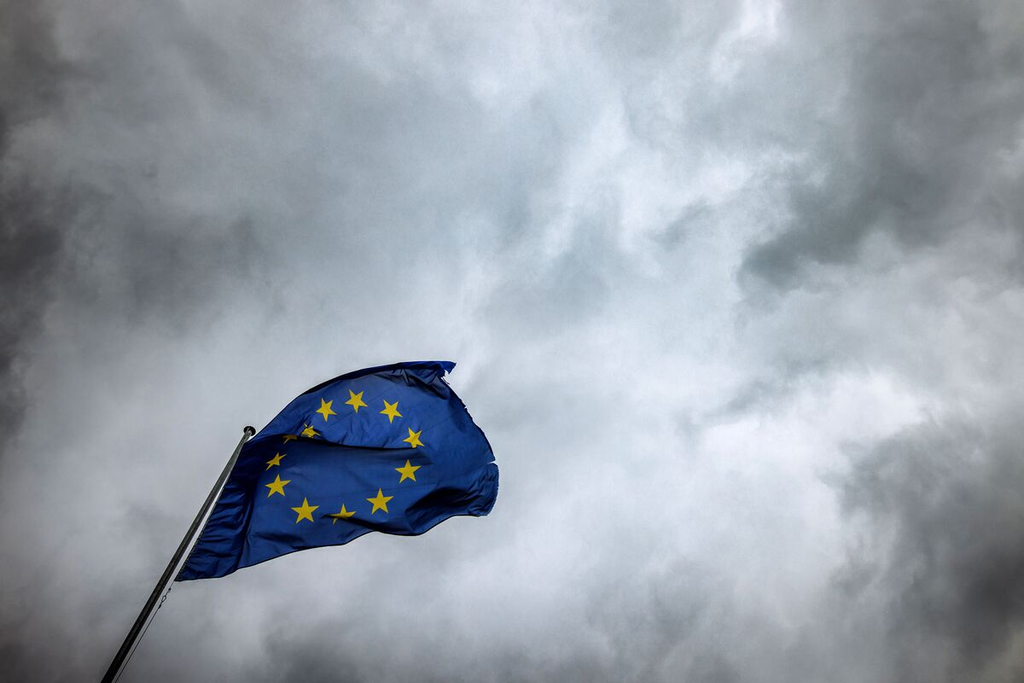
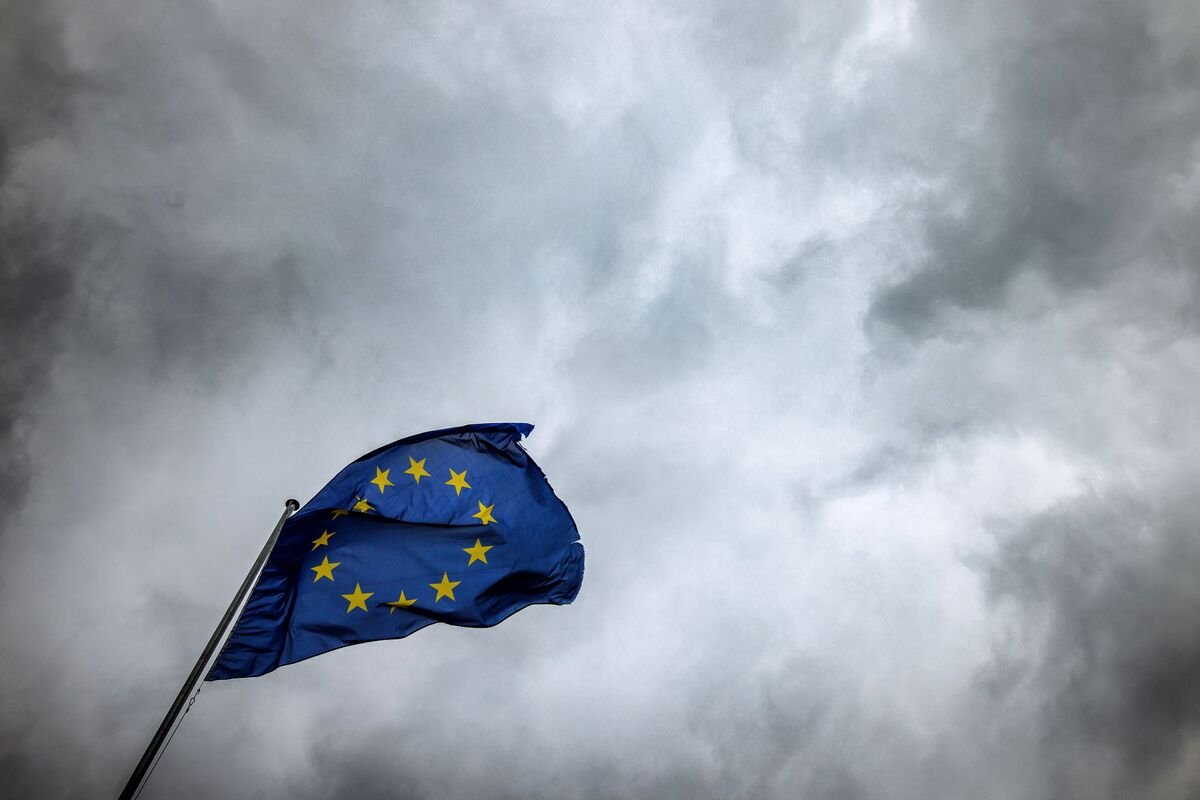
Europe is deindustrializing in real time because its leaders decided that cheap, reliable Russian gas was a moral crime rather than the foundation of the European peoples’ prosperity.
Energy is prosperity. Without an abundant, stable, and low-cost energy supply, there is no industry, no competitiveness, and no high standard of living.
Over time, Europe is discovering that politicians’ lectures on “values” are merely empty words—they neither power factories nor heat people’s homes.
Pipeline-supplied natural gas has never been replaced on a large scale. Flows from Russia—via Nord Stream and the Ukrainian corridor—were both low-cost and high-volume.
LNG from Norwegian fields, U.S. shale deposits, and North Africa cannot replace the flows from Russia; the shortfall is entirely structural.
The LNG market is a global arena for arbitrage; it is not a European prerogative. Every cargo that Europe “secures” is one that Asia does not receive. China, India, and Japan have deeper pockets and long-term contracts. In a difficult year, Europe is forced to drive up prices to the point where its own industry can only just manage to cover its costs.
Europe’s renewable energy sources are not the solution; in the absence of a stable baseload, they trigger sudden spikes in gas demand and fail to provide independence from natural gas.
Gas remains the only flexible fuel capable of balancing the system on a large scale, and Europe currently lacks sufficient quantities of it to ensure stability within its energy systems.
Consequently, Europe’s industrial core has already begun to exit. Energy-intensive plants in Germany, the Netherlands, and Italy are relocating—primarily to the United States and other countries outside of Europe. This destruction is not temporary; we are witnessing a new industrial equilibrium.
Political interference hinders the necessary adjustment to this reality. Permanent sanctions, the trajectory of the Green Deal, and the phase-out of nuclear energy—which was never reversed with sufficient urgency—have effectively eliminated the option for a rapid corrective course.
Beyond this, geopolitical flexibility has vanished from Europe. The routes through the Strait of Hormuz, the Red Sea, and the Black Sea are all contested or politically restricted.
There is no spare production capacity that can be delivered to Europe—either politically or logistically; given the current circumstances, an energy stranglehold is inevitable.
The weather has become a key variable for political stability—at least as envisioned by the bureaucrats in Brussels. A standard winter simply drains gas storage tanks.
A cold winter forces industries to halt production and leads to price hikes for households. Further price increases will inevitably have electoral consequences.
The three potential escape routes—a mild winter, Russian gas, and open access to the Strait of Hormuz—are not core scenarios; they are merely the hopes of Brussels bureaucrats.
Europe opted for scarcity, and now it is discovering that this scarcity is compounding. The crisis is not “coming”—it is already here. It is already priced into the industrial landscape and is awaiting the next cold snap in Europe to become visible.