

BRICS+, an alliance of nations that could soon seek to replace the U.S. dollar as the world’s dominant reserve currency, is the biggest threat the U.S. faces if its drive to push for a single currency among all their currency types.
The success of the venture would mean a significant reduction in the standard of living for all Americans and the loss of any long-term hegemonic expectation. The acronym BRICS takes its name from the alliance between Brazil, Russia, India, China and South Africa to develop a multinational financial institution that would act as an alternative to the International Monetary Fund and the “debt colonies” that was creating through his famous “programs”.
The real goal
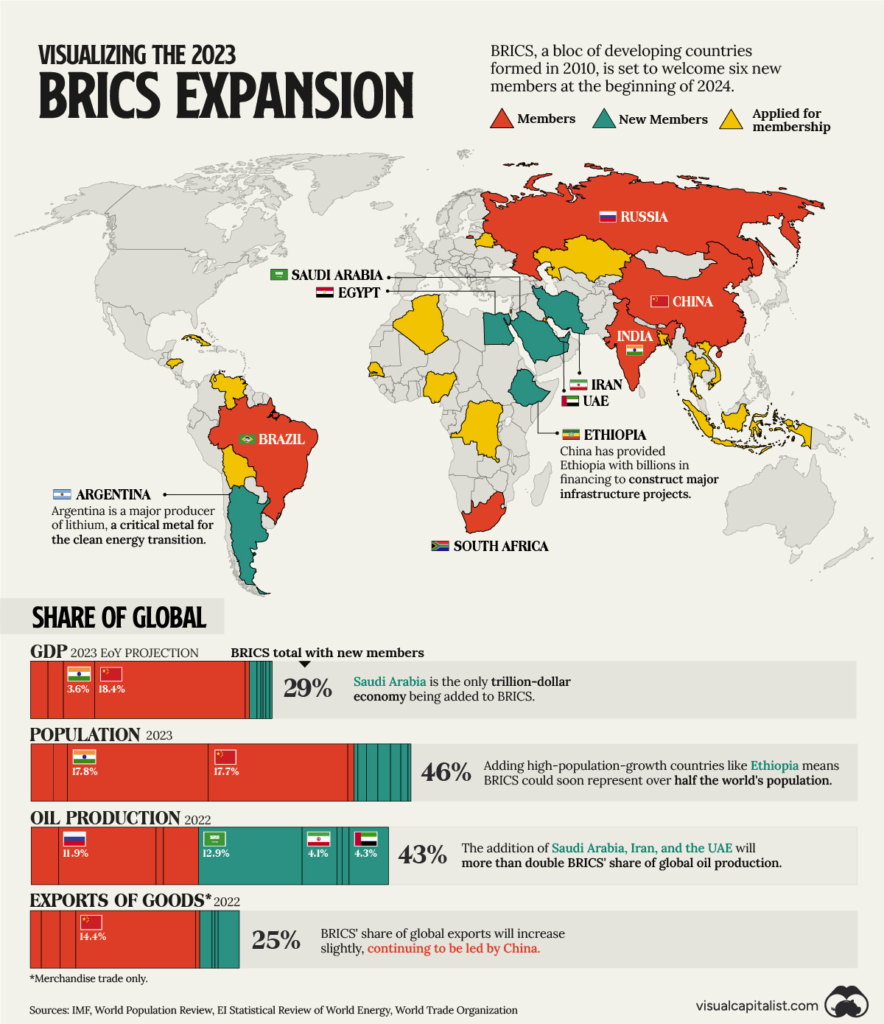
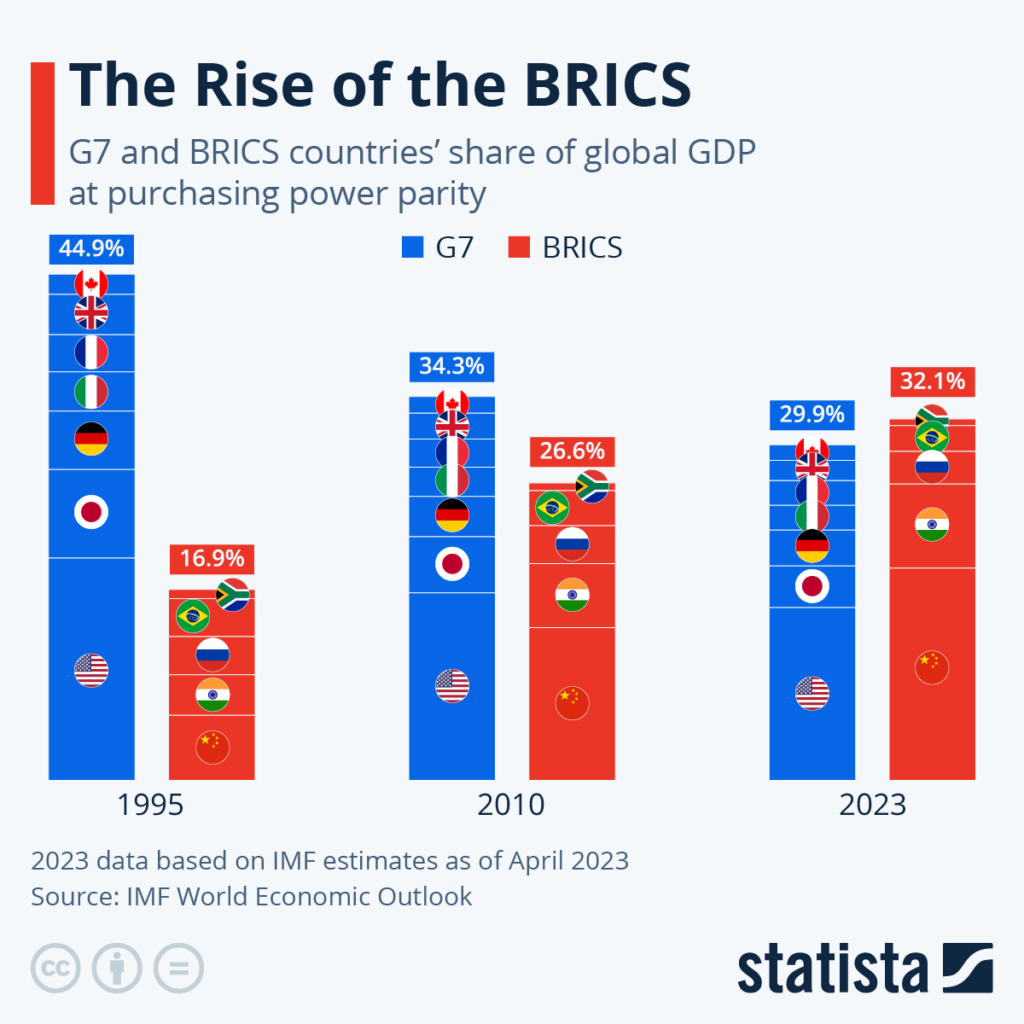
Meeting at annual summits since 2011, the group quickly began recruiting new members in order to advance its real goal: the overthrow of US dominance of the global financial system. In the New Year, the Global South group added Egypt, Ethiopia, Iran, Saudi Arabia and the United Arab Emirates to its ranks. It is notable to note that Argentina, which was previously due to join, canceled its membership following the election of new liberal President Javier Millay. According to some estimates, the BRICS+ countries account for 45% of the world’s population, 33% of the world’s GDP and 40% of the world’s oil production.
Oil production
Oil production is crucial as the BRICS+ want to be able to buy and sell oil in their local currencies instead of dollars, as has been the case historically.
The reason is simple: Oil is the most important of all commodities and, like other commodities (gold, wheat and other currencies), global buyers price and buy it in dollars. This gives the US what has been described as “excessive monetary privilege”. Since the US is the sole “producer” of dollars, it can effectively “print” commodities.
The economic hegemony of the USA, that is, clearly came from its geopolitical power and not the real productive potential of its economy. The privilege also makes it easier for America to maintain its perennially huge deficits, as well as to impose restrictions on the ability of other countries to use dollars (and thus to purchase goods vital to their survival), as it usually does through economic sanctions and restrictions on access to the US banking system.
The BRICS+ plan
The BRICS+, led by China and Russia, may seek to remove the dollar’s critical role in global finance to weaken America. But the Biden administration doesn’t seem particularly concerned. Last summer, National Security Adviser Jake Sullivan said “we don’t see the BRICS evolving into some kind of geopolitical adversary of the United States or anybody else,” and Treasury Secretary Janet Yellen told Congress that efforts to move away from the dollar are just a ” natural desire to diversify’.
These views certainly seem to understate the real danger to US hegemony. There is no other reason for states hostile to the US to develop an alternative to the dollar other than to undermine US economic power.
The alternative financial system
The BRICS+ may create an alternative financial system in which the individual currencies of the member countries, or one they jointly create, will replace the dollar as the global reserve currency.
If this were to happen, the dollar would fall in value, leading to higher interest rates and higher prices as inflationary pressures intensified. It would also make it more difficult to service the national debt, which currently stands at more than $34 trillion. Debt amortization payments are already on track to exceed defense spending!
Having the US pay higher interest payments, an inevitable outcome of a devaluation of the dollar, could lead to a fiscal lurch into an unsustainable feedback loop of borrowing to service higher interest rates until default becomes a real possibility.
Changing the rules of the game
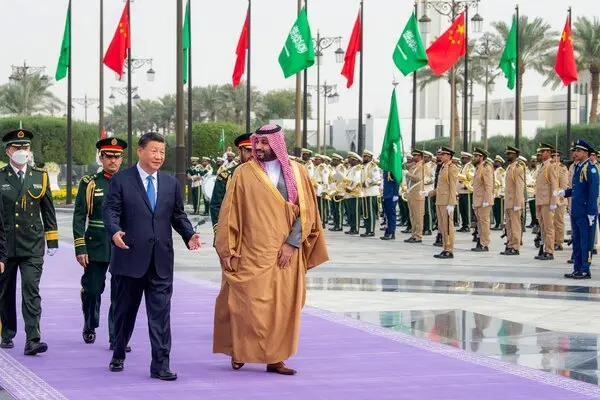
The evolving situation seems not to concern the high echelons of the White House. Just as Russia, China, Iran and other states are increasingly cooperating to advance their military goals, they are also working together to destroy America’s economic advantages built up and secured after the war.
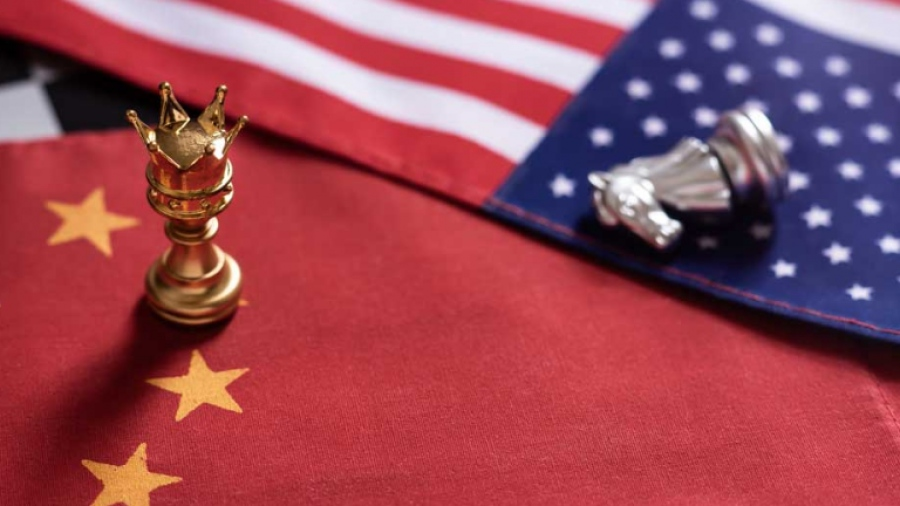
Their success will come at the expense of those parts of the world that believe in a rules-based, dollar-backed planetary market. However, policies such as the long-term reduction of the federal public debt, combined with the drastic reduction in the long-term of the federal budget deficits, the encouragement of domestic energy production, the increase in the consumption of American products due to high added value, as well as the continuous investments in high-value innovative products and services, would be the first checkmate moves in the global geopolitical-economic chessboard by the USA, “steeling” their economy and by extension strengthening the value of the dollar even more. Subsequently, the discouraging of other countries to join the geopolitical-economic bloc of BRICS+ would happen on its own without the USA getting involved, as the other countries see the dynamism of the American economy.
Certainly, policies of consolidation and economic orthodoxy of the fiscal economists will touch many interests by creating a high political cost of frightening magnitude that the political leaderships of the Democrats and the Republicans do not want to undertake for the time being. Actions must be taken promptly and before the patient suffers even more keeping the dollar as the world’s reserve currency;