
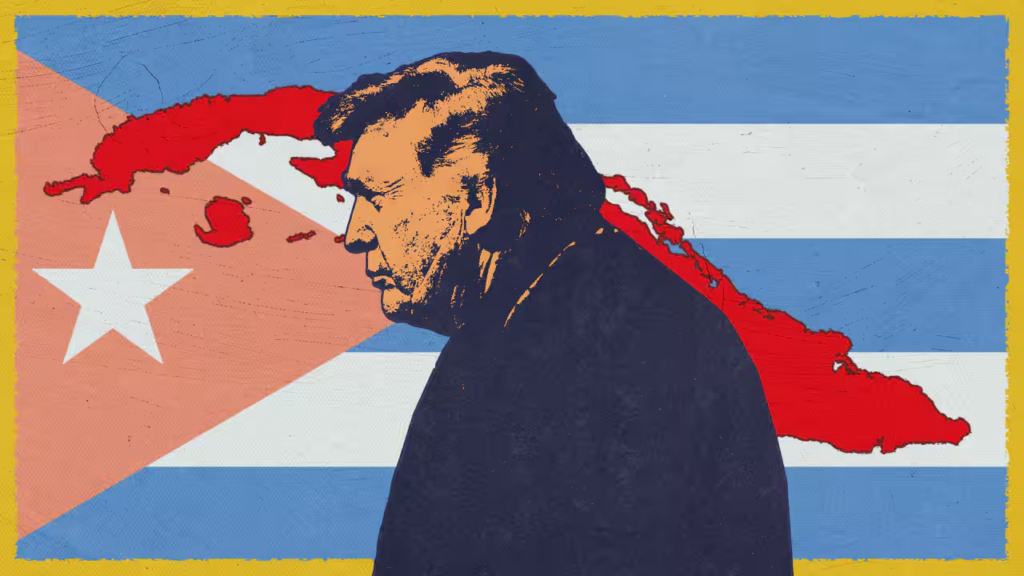
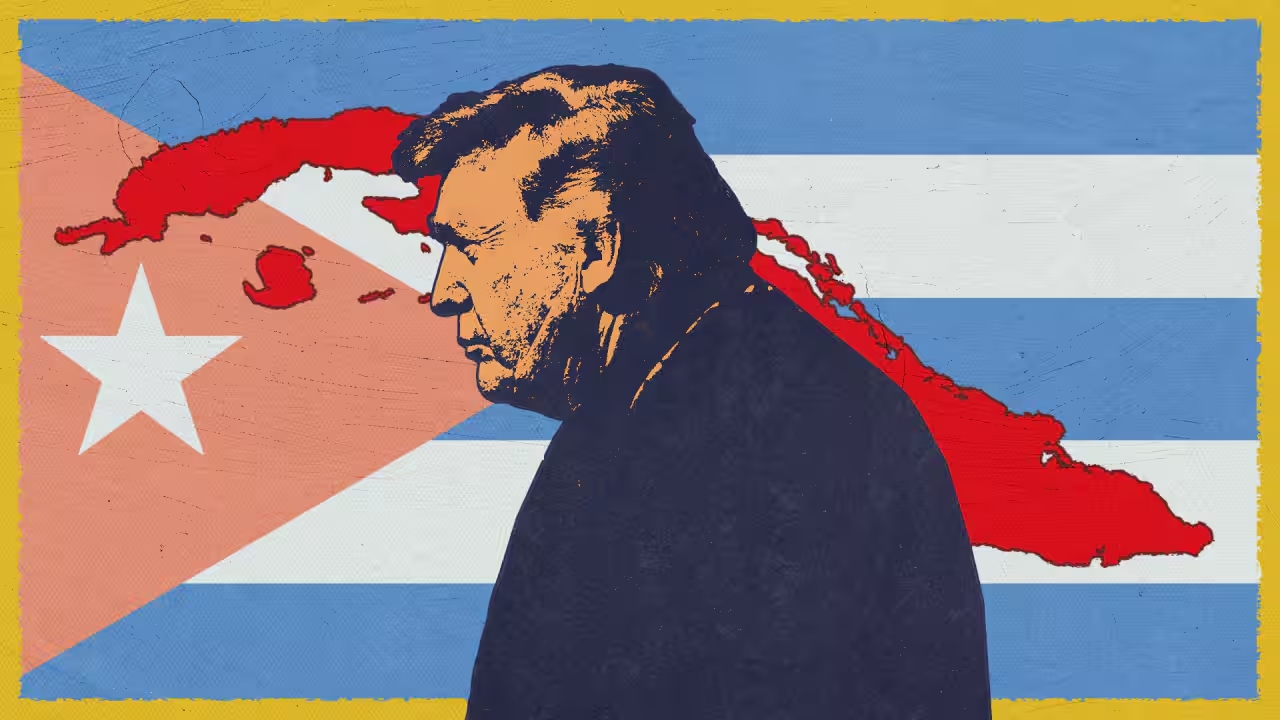
Developments in the Caribbean are expected to be rapid and nightmarish. The new US strategy towards Cuba seems to be moving on a dangerous line between diplomacy and an open threat of military intervention.
Behind the leaks, statements and political decisions of the Donald Trump administration, a strategy is taking shape that recalls the dark periods of the Cold War — but with modern tools of economic warfare and geopolitical pressure. The question is not whether Washington is pressuring Havana. The question is how far it is willing to go.
From diplomacy to the threat of intervention
The US is creating a threat while strengthening its negotiating position by imposing conditions. These conditions towards Cuba are clear:
- Privatization of state-owned enterprises,
- opening to foreign investment,
- purchasing American energy as well as
- political changes and resignations of officials.
In other words, this is a comprehensive demand for economic and political restructuring.
The US is strangling Cuba
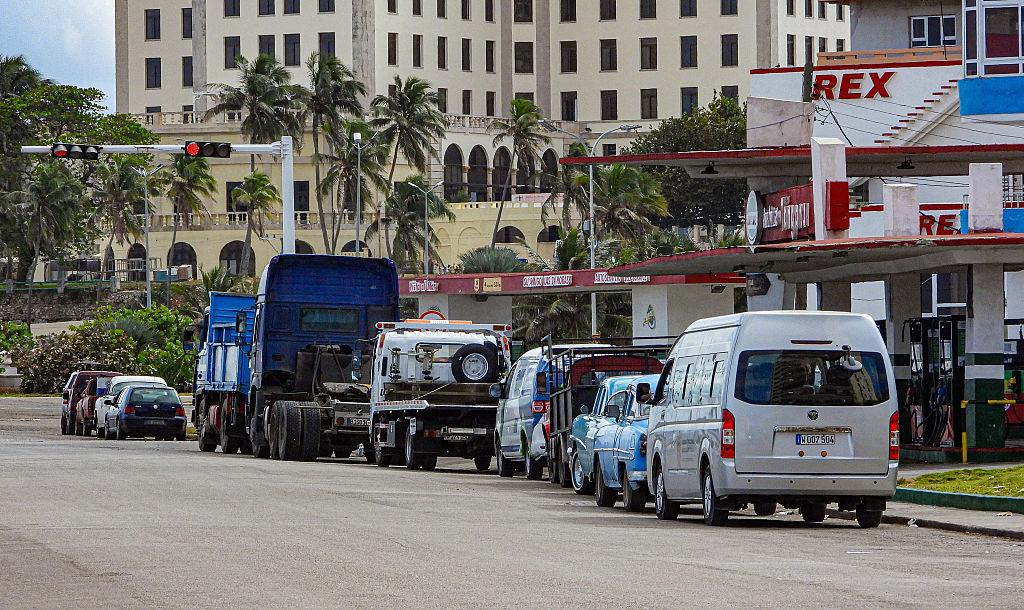
The pressure is not limited to diplomatic statements. The US has already taken a series of actions that constitute a strategy of economic suffocation with the extension of sanctions to critical sectors of the Cuban economy, targeted pressure on third countries to cut off energy supplies, and threats of secondary sanctions on international companies.
The result is already visible:
- Fuel shortages
- Power outages
- Economic instability
- Deterioration of the humanitarian situation
The Cuban government itself describes these actions as “collective punishment.” And it is not difficult to understand why. Cuba’s energy dependence is its most vulnerable point. The US knows this — and is exploiting it.
After the pressure on Venezuela and the restriction of oil exports, Cuba has found itself facing a serious energy crisis. The strategy is clear:
- Interruption of energy flows,
- creation of social pressure and
- political destabilization.
This model is not new. It is a modern version of economic warfare aimed at regime change.
Secret contacts and behind-the-scenes negotiations
Along with the pressure, there are also behind-the-scenes moves, such as talks between US Secretary of State Marco Rubio and people close to the Cuban leadership, diplomatic contacts between Washington and Havana, and statements by Cuban President Miguel Díaz-Canel about seeking solutions through dialogue.
This shows that, despite the hard line, there is also an effort to control the crisis. But the question remains: Is it real dialogue or just negotiation under pressure?
The Deeper Problem – The Logic of Coercion
US policy toward Cuba is not simply a bilateral dispute. It reflects a broader strategy:
- Imposing change through pressure
- Replacing dialogue with blackmail
- Using economic and military tools for political ends
This approach has been repeated on many occasions — with questionable results.
Trump’s Insistence on “Victory” After Iran – Cuba as the Next Field of Demonstration of Power
Donald Trump’s political behavior cannot be fully understood without taking into account a crucial factor: the need for an immediate and visible geopolitical victory. After the failure of the strategy against Iran —where pressure, threats and escalations did not lead to submission but to a deadlock— Washington seems to be looking for a new field where it can demonstrate effectiveness.
In this context, Cuba appears as a “more manageable” target. The confrontation with Iran highlighted the limits of American strategy. “Maximum pressure” did not lead to collapse, while military threats did not bring political retreat.
Ultimately, diplomacy was undermined by the escalation itself. This has created a political vacuum for Trump — a vacuum that requires filling, especially within the US, where a strong image is a key element of political legitimacy.
Unlike Iran, Cuba has a smaller military, is economically more vulnerable, and is geographically close to the US. This makes it ideal for a strategy where pressure can pay off more quickly while the political outcome can be presented as a “victory.”
The costs remain relatively low. The rhetoric of “friendly control” is not accidental. It reflects a perception that Cuba can be the setting for a controlled success.
It is no coincidence that during the event in Florida, the US president also added that one of the large warships will be sent to the island’s coast, which will likely be the world’s largest aircraft carrier, the Abraham Lincoln. “The aircraft carrier will come in, stop about 100 yards from the shore, and they will say, ‘Thank you very much, we surrender,’” Trump said.
A Dangerous Turning Point
The situation between the United States and Cuba is at a critical juncture. On one side, diplomatic contacts, the possibility of reform, and on the other, sanctions, economic strangulation, and the threat of military intervention. The balance is fragile.
The greatest risk is not just conflict — it is the normalization of pressure as a tool for regime change. And this is not just about Cuba.


