Defending Saudi Arabia entails protecting a vast network of potential targets, rather than just Riyadh or a single refinery.
Recent Houthi attacks on the kingdom’s oil heartland—which left an Aramco building in Dhahran engulfed in flames—confirm that the tens of billions of dollars the House of Saud has invested in defensive shielding are insufficient to protect the country and its most valuable assets.
Indeed, despite annual military expenditures of $83 billion—covering assets such as state-of-the-art American fighter jets and advanced Patriot and THAAD anti-missile systems—Saudi Arabia remains unable to protect even its capital, Riyadh.
Consequently, Saudi Arabia faces a nightmarish strategic paradox: despite its immense military might, Houthi missiles and drones continue to penetrate its air defenses, striking airports, oil facilities, and critical infrastructure.
With Iran maintaining multiple fronts of pressure, Yemeni rebels appearing stronger than ever, and Washington reluctant to get drawn into yet another war, the House of Saud faces a painful dilemma: whether to respond with a military escalation that could trigger even more devastating reprisals, or to seek a diplomatic way out—risking the appearance of backing down before an adversary it has failed to neutralize, despite billions in expenditure.
For the time being, it is believed that the Saudis wish to avoid a war of attrition that could further jeopardize the vision of a Saudi Arabia playing a leading role in the global economy—attracting billions in investment and transforming the desert into a symbol of luxury and technology.
The Houthis’ military capabilities
The Houthis have learned to combine ballistic and cruise missiles with long-range drones to overwhelm Saudi air defenses.
This tactic mirrors Russia’s strategy: Moscow has repeatedly employed large numbers of drones alongside cruise and ballistic missiles in massive strikes against Ukraine.
Cruise missiles fly at lower altitudes, making them harder to detect and track. The Houthis have also unveiled a new generation of ballistic missiles that, according to them, possess maneuvering capabilities.
No single air defense system can guarantee the interception of every incoming threat.
Last year, a Houthi missile managed to penetrate Israel’s renowned air defenses and strike an area near Ben Gurion Airport.
The Houthis have also modified Iranian anti-aircraft weapons to enable them to strike aircraft and cruise missiles, according to Brigadier General Majed al-Nazili, a spokesman for Yemeni government forces.
“These missiles have a flight time of up to 25 minutes and operate using a thermal target-tracking system,” he stated last month.
Houthis in a position of strength
Neither US nor Israeli strikes have succeeded in eliminating members of the Houthi top leadership, although military commanders and technocrats have been killed.
If anything, the Houthis—who may command a force of up to 350,000 armed personnel—are now in a position of strength.
According to the Institute for the Study of War, which issued an assessment on Monday, they have now encircled the city of Taiz—Yemen’s third-largest city, which remains under government control and serves as a vital supply hub.
Saudi Arabia Seeks Support
The Saudis are seeking to form an international coalition against the Houthis. Regional allies have offered assistance in the form of defensive systems.
Pakistan has deployed thousands of troops to help defend the Kingdom. Egypt has offered to provide whatever support is requested.
The Saudis may also be able to procure additional air defense systems from Europe and the United States, having already depleted a significant portion of the stockpiles they held at the onset of the conflict with Iran.
However, the United States itself is facing shortages of such systems. A report by the U.S. Department of Defense Inspector General stated that the campaign against Iran “caused shortages in strategic stockpiles and highlighted bottlenecks in the industrial base regarding the replenishment of munitions.”
US Reluctance
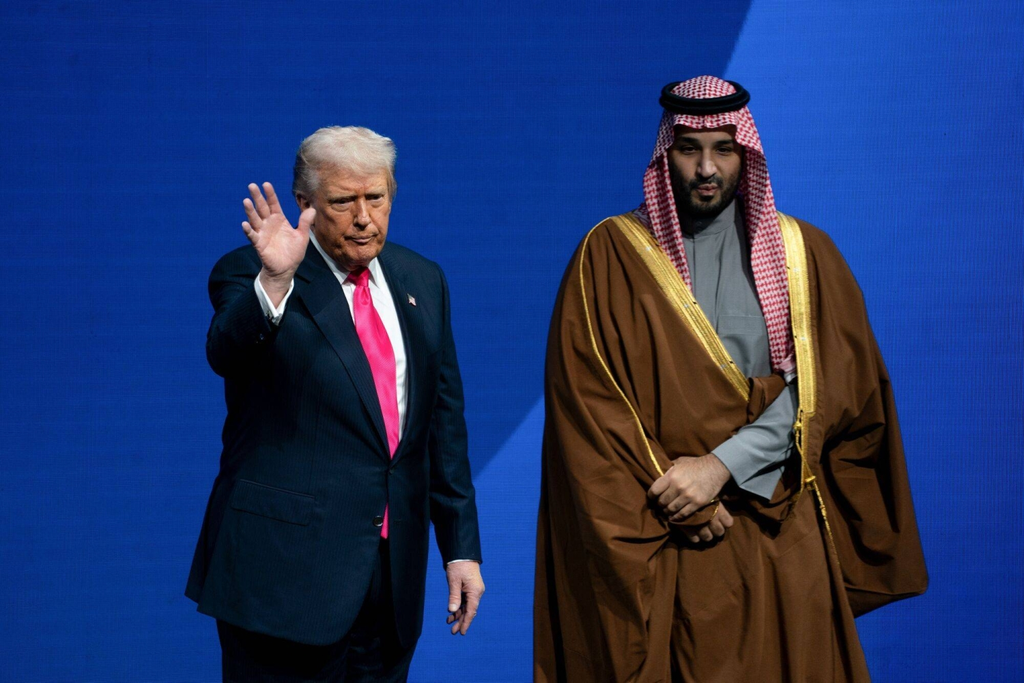
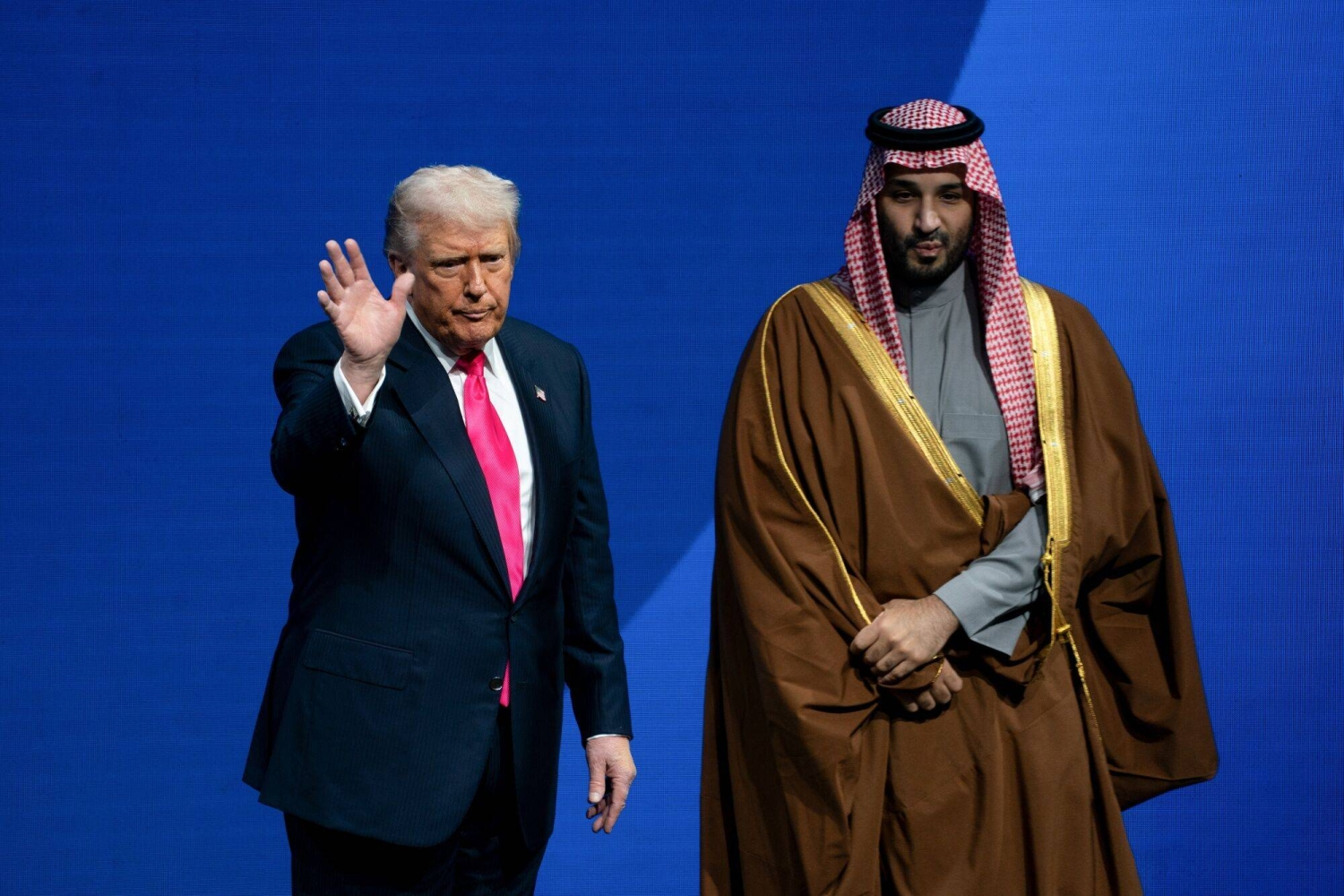
With three weeks remaining until the US midterm elections, President Donald Trump appears wary of the prospect of further involvement in the Middle East.
He has not committed to the possibility of direct US strikes against the Houthis, though he has not ruled them out either.
US reluctance reinforces the perception that Washington has abandoned a partner at a time of greatest need. The Kingdom is under attack and, politically speaking, is compelled to retaliate. Ultimately, however, we should expect a return to diplomacy—an imperfect, unsatisfactory form of diplomacy, yet one that would de-escalate the conflict.
This could allow the Houthis to maintain their presence and even secure an even stronger position within Yemen.
The Houthis are demanding an end to the Saudi airstrikes conducted in support of government forces in Yemen, as well as billions of dollars in compensation from Saudi Arabia.