
The key indicator that a country has real power in the international landscape is not so much the size of its armed forces, but the degree to which it can ensure that other countries will comply with one or another of its demands. If this simplistic rule holds, then the US is beginning to become aware of the true limits of its influence by the way countries like Saudi Arabia behave.
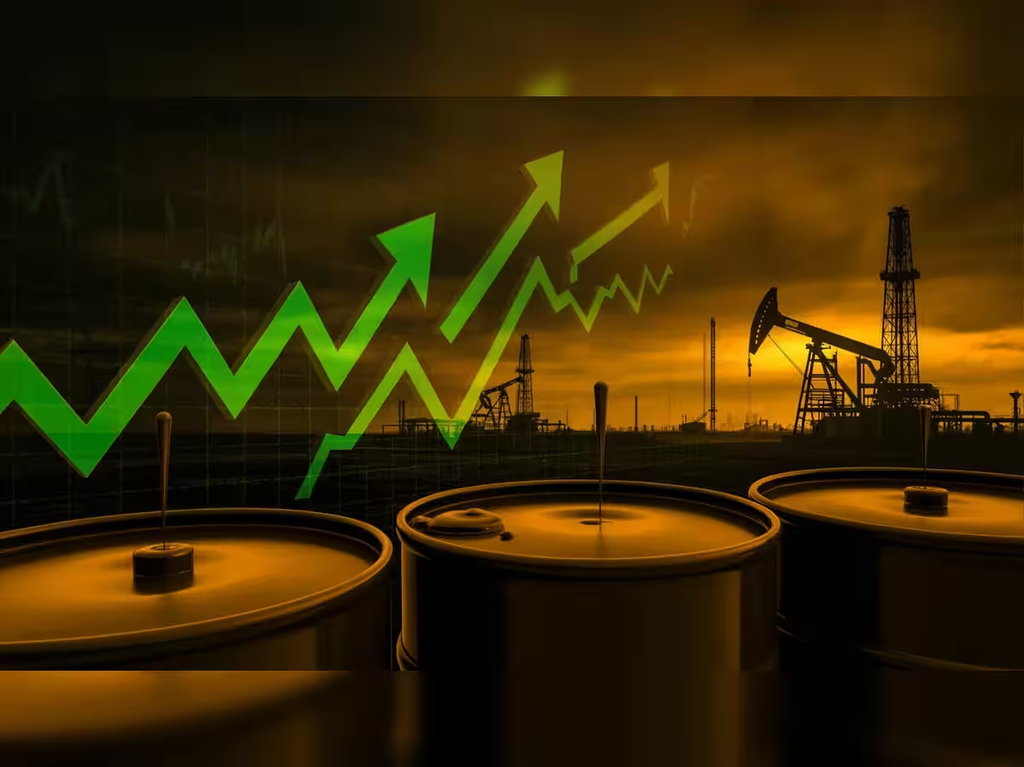
The latest example is the insistence of the Saudi government to proceed with the reduction of global oil production, decided through the OPEC+ scheme, i.e. in consultation with Russia, even though Washington made it absolutely clear to Riyadh that it would consider such a choice as “pro-Russian” and that this would have an overall impact on bilateral relations.

The Saudi government assessed that all this simply echoes the concern of the Biden administration not to go into the November elections (where the correlation in Congress is decided) with high fuel prices and high inflation with the Democratic candidates paying the price.
Instead, that’s why they preferred to decide to cut production because at this stage they didn’t want to see the price of oil continue to fall (especially if in the winter major economies go into recession) when the estimates are that the price needs of oil not to fall below $76-78 a barrel so that Saudi Arabia does not have a budget deficit, especially at a time when it is trying to prepare for a post-oil future. In fact, the Saudis have even rejected a US proposal that the US buy oil from the market whenever the price of Brent drops below $75 a barrel, dispelling fears that the US wants to push prices even lower.
The result appears to be a crisis in relations between the two countries, with Joe Biden warning on October 11 that “there will be repercussions” from the choices Saudi Arabia makes.
Storms in the relationship between the two countries
Although Saudi Arabia had played an active role in the 1973 OPEC embargo in response to Western support for Israel, which had triggered the first major oil crisis, for most of the kingdom’s history it has been a US ally.

This also concerns geopolitical parameters such as the fact that it has traditionally been a counterweight to the forces and countries of Arab Nationalism and later a main support of the American presence in the Middle East, despite the great reactions in the US for the widespread violations of human rights. It also concerns economic parameters, as Saudi Arabia, which has large oil reserves and low extraction costs, is a country that regulates the price of oil to a significant extent with its production. In any case, American support has also been shown by the scope of American military aid to Saudi Arabia.
But now there seems to be more suspicion. Let’s not forget that the US no longer has the same political and military presence in the Middle East and this means that a number of countries do not limit their contacts only to the West.
In addition, the Saudi leadership believes that the US wants to change the “terms of the game” in relation to oil prices, that is, to form a treaty where the prices will be set by the consuming countries and not by the oil producers.

The key here is sanctions against Russia. For Riyadh, moves such as the attempt to impose a ceiling by the G7 countries and the EU on the price of Russian oil are not only or mainly related to the war in Ukraine, but to the attempt by developed countries to find ways to impose the prices they want at the expense of oil-producing countries, in what amounts to a “paradigm shift” for energy markets. Today Russia, tomorrow Iran, the day after tomorrow Saudi Arabia could be described this logic.
Winners and losers
The Biden administration has chosen to respond to this phase through a rhetoric that refers to a “reexamination” of the relationship between the US and Saudi Arabia, implicitly referring to a reversal of the current support they provide to Riyadh. A similar tone comes from the Democratic Party politicians. However, at this stage, the US could hardly go for a complete rupture that would, among other things, shape new balances in the Middle East and not make the situation in the energy market even more complex.

Saudi Arabia believes that the US will not be able to do much, mainly because it does not have the ability, given the pressure from its domestic market (and the policy of large strategic reserves), to undertake to offset the reduction in production with an increase of their own production. In this sense, the Saudis believe that at this stage they are achieving their goal, which is precisely to prevent a permanent undermining of their own bargaining power in terms of the price of oil.
And Russia is a winner from the current arrangement, mainly because in practice it will not have to cut its production much and above all it will be able to continue to sell to non-sanctioned countries and at a relatively high price, even after the stoppage of purchases from Europe .
On the contrary, the big loser remains Europe, to the extent that it remains dependent on oil and natural gas imports, and therefore the way they are currently shaped by the combination between the war, the sanctions against Russia and the decisions of the oil producers countries.